Family Counselling: How to Improve Your Family Dynamics
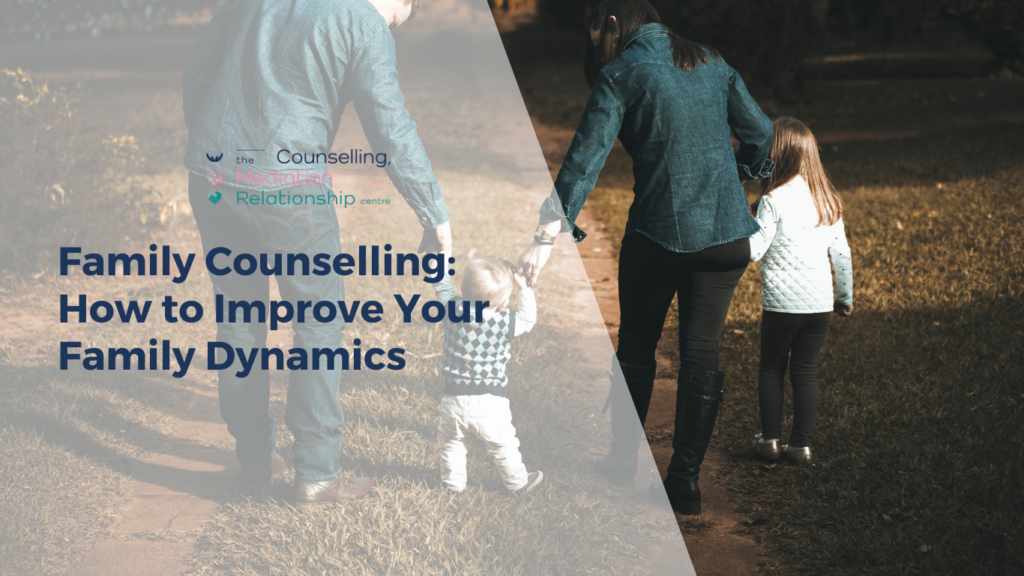
Family Counselling: How to Improve Your Family Dynamics
On a quiet Tuesday evening, a family sits around a dinner table in Griffith. The food is warm, yet the atmosphere feels tense. Conversations are short. No one is angry, but no one feels heard either. This scene is more common than many people realise. Families rarely fall apart suddenly. Instead, they drift into patterns of miscommunication, unspoken frustration, or emotional distance over time.
Family counselling exists to help families recognise these patterns and rebuild healthier ways of relating to one another. It is not about assigning blame. It is about understanding, communication, respect, and creating space for every person to be seen and supported.
The Hidden Patterns Inside a Household
Family relationships often operate on automatic habits. Children may mirror their parents. Parents may unintentionally fall into roles based on their own childhood experiences. Siblings may repeat the same conflicts without knowing why.
Common patterns include:
- A parent who avoids conflict and becomes overly accommodating
- A child who withdraws because they feel unheard
- A teenager who reacts strongly because they do not feel understood
- Family members who talk at one another instead of with one another
These patterns usually form slowly. By the time tension becomes noticeable, the dynamic has already shaped how the family communicates.
Family counselling helps make these patterns visible so they can be changed with intention rather than frustration.
Understanding Each Person’s Perspective
A family is made up of individuals with different personalities, needs, emotions, and communication styles. What feels normal for one person may feel overwhelming for another.
Family counselling provides a neutral place where:
- children can express their feelings safely
- teenagers can communicate without fear of being dismissed
- parents can share concerns without feeling guilty or criticised
- everyone can understand the emotional experience of the others
Many families discover that their conflict is not caused by the issue itself. It is caused by the feeling beneath the issue. For example:
A child who refuses to follow instructions may actually feel anxious.
A parent who raises their voice may actually feel unsupported.
A teenager who isolates themselves may feel pressure they cannot explain.
When these deeper experiences are understood, the family dynamic begins to shift.
Learning How to Communicate Without Escalation
Healthy communication is at the centre of strong family relationships. Yet it is one of the skills families struggle with most, especially during stressful periods.
Family counselling teaches communication techniques such as:
- speaking with clarity rather than assumption
- listening without planning a response
- responding with empathy instead of frustration
- pausing conversations when emotions rise
- using language that supports, not criticises
The goal is not to eliminate conflict. Conflict is normal and sometimes necessary. The goal is to handle it in a way that strengthens the relationship instead of damaging it.
Resolving Long Standing Issues
Many families carry unresolved stories. Old arguments, past misunderstandings, or unspoken resentments can quietly influence present behaviour. These unresolved issues often appear as recurring arguments or emotional distance.
A counsellor helps the family unpack these experiences safely. The conversation is guided and structured so that each person can express their view while also understanding the impact on others.
Families often describe this part of counselling as a relief. The past stops controlling the present, and everyone can move forward with greater honesty and compassion.
Building Stronger Habits at Home
Improving family dynamics is not something that happens only in the counselling room. Families learn practical habits they can apply immediately at home. These habits often include:
- setting respectful boundaries
- consistent routines that reduce stress
- creating predictable spaces for conversation
- developing shared values and expectations
- building moments of connection into the week
Even small adjustments can create noticeable improvements in how family members relate to one another.
Support During Major Transitions
Families often seek counselling during times of change such as:
- separation or co parenting adjustments
- blending families
- grief or loss
- relocation
- health or financial stress
- school or developmental transitions
During these periods, emotions run high and communication becomes more important than ever. Counselling provides guidance that helps families navigate these changes with stability instead of conflict.
How Griffith Counselling Centre Supports Families
Griffith Counselling Centre offers family counselling that is warm, inclusive, and grounded in evidence based practice. Donna provides a balanced and respectful approach that allows each family member to participate at a comfortable pace. Sessions are designed to uncover the root of the challenges and guide families towards healthier communication and stronger connection.
The aim is not perfection. It is progress, understanding, and creating a family environment where everyone can grow.
A Stronger Family Starts with One Conversation
If your family feels stuck, disconnected, or overwhelmed, support is available. Counselling helps families communicate better, resolve conflict, and rebuild emotional closeness. You can book a confidential session with Griffith Counselling Centre and begin a healthier chapter together.
Book an Appointment
📍 Visit us at: Shop 2/44 Ulong St, Griffith NSW 2680
📧 Email: donna@griffithcounselling.com
Take the first step toward caring for your well-being today. Reach out to schedule an appointment and begin your journey to a more balanced, fulfilling life.
 Previous Post
 Next Post