Understanding Relationship Stress, Trauma Responses and Family Support Services
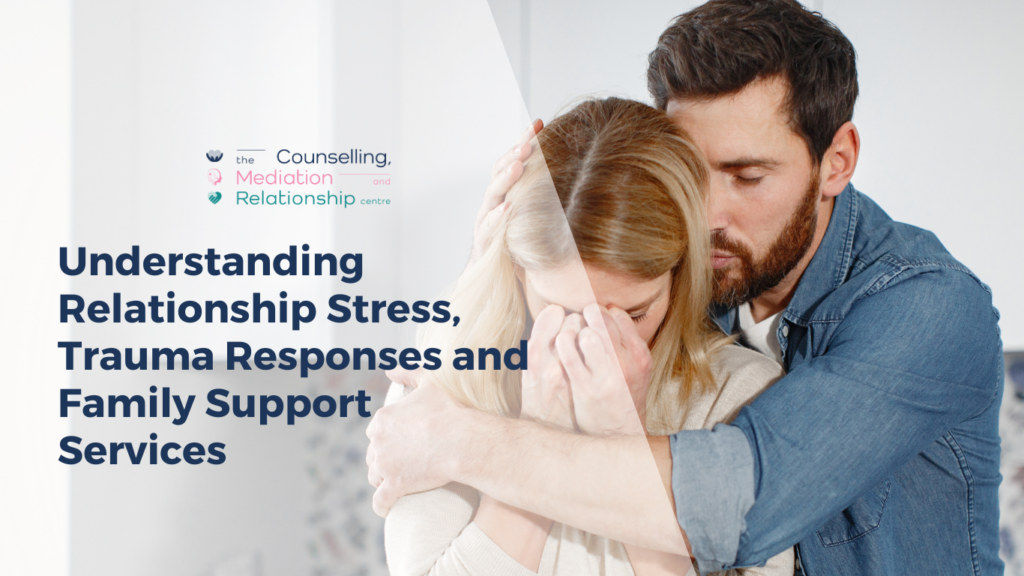
Understanding Relationship Stress, Trauma Responses and Family Support Services
Relationships can be deeply meaningful, but they can also become emotionally overwhelming during periods of stress, trauma, conflict, or life change.
Many people searching online for “relationship counselling Griffith NSW”, “family support services”, “why am I emotionally distant”, or “help with communication in relationships” are often trying to understand why relationships suddenly feel harder to manage.
Stress, trauma, emotional exhaustion, anxiety, parenting pressure, grief, and unresolved emotional experiences can all affect the way people communicate, react emotionally, and connect with those around them.
At The Counselling, Mediation and Relationship Centre in Griffith NSW, counselling and mediation services support individuals, couples, and families experiencing emotional distress, relationship difficulties, communication breakdowns, and family conflict.
Understanding how stress and trauma influence relationships can help people move towards healthier communication, emotional awareness, and stronger connection.
How Stress Affects Relationships
Stress does not stay isolated within one part of life. It often impacts emotions, communication, behaviour, and relationships at the same time.
When stress levels remain high for long periods, people may notice:
- increased irritability
- emotional withdrawal
- reduced patience
- communication difficulties
- emotional exhaustion
- ongoing tension within relationships
Daily pressures involving work, finances, parenting, emotional overwhelm, or unresolved personal struggles can slowly affect how couples and families interact with each other.
Many people searching for “relationship problems after stress” may not realise how strongly emotional pressure can affect communication and connection over time.
Trauma Responses Within Relationships
Trauma can significantly influence emotional responses and relationship patterns.
Some individuals become emotionally withdrawn after trauma. Others may become highly anxious, reactive, emotionally sensitive, or fearful within relationships.
Trauma responses may affect:
- trust and emotional safety
- communication styles
- emotional regulation
- conflict responses
- connection and intimacy
- feelings of safety within relationships
This can create misunderstandings where one person feels emotionally disconnected while the other feels confused or rejected.
In many cases, unresolved trauma affects the nervous system in ways that make emotional closeness feel difficult, even when connection is deeply wanted.
Common Signs of Relationship Stress
Relationship stress can appear differently for every couple or family.
Some common signs include:
- frequent arguments
- communication breakdowns
- emotional distance
- difficulty resolving conflict
- parenting disagreements
- feeling unheard or misunderstood
- emotional withdrawal
- tension within the home
People often search for support only after these patterns have continued for a long period of time.
However, seeking support earlier can help prevent communication difficulties and emotional disconnection from becoming more deeply entrenched.
Relationship Counselling in Griffith NSW
Relationship counselling provides a structured and supportive environment where couples can openly discuss concerns, improve communication, and better understand each other’s emotional experiences.
Relationship counselling may support:
- communication improvement
- conflict resolution
- rebuilding emotional connection
- navigating stress or trauma within relationships
- trust concerns
- relationship transitions or challenges
Counselling is not about deciding who is right or wrong. It focuses on improving understanding, emotional awareness, and healthier communication patterns.
Many people searching for “couples counselling Griffith NSW” are often looking for support rebuilding communication and reducing ongoing emotional tension.
Family Counselling Support
Family stress can affect the emotional wellbeing of every member within the home.
Parenting pressure, separation, blended family adjustment, teenage challenges, grief, trauma, or communication difficulties can all create ongoing family tension.
Family counselling may support:
- communication difficulties within families
- parenting challenges
- sibling conflict
- blended family transitions
- emotional tension within the household
- family stress following trauma or separation
Family counselling aims to create a supportive environment where family members can communicate more openly and work towards healthier dynamics.
Parenting Stress and Emotional Overwhelm
Parenting can become especially difficult during periods of emotional stress or unresolved trauma.
Many parents experience:
- emotional exhaustion
- guilt or self-doubt
- communication struggles with children
- overwhelm balancing responsibilities
- stress after separation or family conflict
Children can also respond emotionally to stress within the home environment, even when adults attempt to shield them from conflict or emotional pressure.
This is why emotional support for parents and families can play an important role in improving communication, emotional regulation, and family stability.
Mediation Support for Families
In some situations, structured mediation support may help families experiencing conflict or communication breakdowns.
Mediation services may support:
- parenting arrangements
- separation-related conflict
- family disputes
- communication difficulties
- co-parenting concerns
Mediation provides a neutral and structured environment focused on practical communication and problem solving.
The goal is to help parties communicate more effectively while reducing ongoing conflict and emotional escalation.
Emotional Safety Within Relationships
One of the most important parts of healthy relationships is emotional safety.
When people feel emotionally unsafe, unsupported, judged, or unheard, communication often becomes more difficult.
Emotional safety may involve:
- respectful communication
- feeling heard without judgement
- emotional honesty
- healthy boundaries
- calm and supportive discussions
- emotional consistency within relationships
Counselling often focuses on helping people rebuild emotional safety and healthier communication patterns over time.
Seeking Support Early
Many people delay seeking support because they believe relationship stress will eventually improve on its own.
However, unresolved conflict, emotional withdrawal, and communication difficulties often continue increasing over time without intervention.
Seeking counselling or mediation support early can help individuals, couples, and families better understand emotional patterns before stress becomes overwhelming.
Whether someone is experiencing relationship conflict, parenting pressure, trauma responses, emotional exhaustion, or communication difficulties, support can help create healthier pathways forward.
Relationship, Family and Counselling Support in Griffith NSW
The Counselling, Mediation and Relationship Centre provides counselling, relationship support, family counselling, trauma support, and mediation services in Griffith NSW.
Services support individuals, couples, and families experiencing emotional stress, trauma responses, communication difficulties, parenting concerns, and conflict situations in a safe and professional environment.
If you are searching for relationship counselling, family support services, trauma counselling, or mediation services in Griffith NSW, support is available.
Book an Appointment
📍 Visit us at: Shop 2/44 Ulong St, Griffith NSW 2680
📧 Email: donna@griffithcounselling.com
Take the first step toward caring for your well-being today. Reach out to schedule an appointment and begin your journey to a more balanced, fulfilling life.
 Previous Post
 Next Post