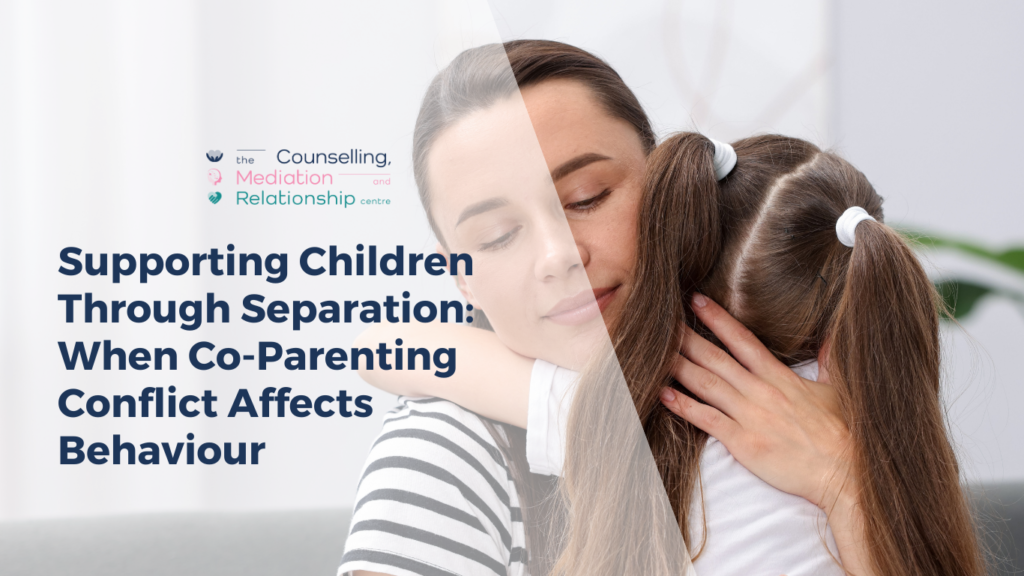
Supporting Children Through Separation: When Co-Parenting Conflict Affects Behaviour
Separation can be a challenging adjustment for everyone involved, especially children.
While adults are often focused on managing legal processes, living arrangements, and financial decisions, children are quietly trying to make sense of changes they may not fully understand. For many, this can lead to emotional and behavioural responses that show up both at home and in school.
Sometimes, what looks like “acting out” is actually a child’s way of expressing confusion, sadness, or anxiety.
How Separation Impacts Children Emotionally
Children rely on consistency and emotional security. When separation occurs, their sense of stability can feel shaken.
They may begin to wonder:
- Where will I live?
- Will I still see both parents?
- Is this my fault?
- Who should I listen to?
Even when parents try their best to reassure them, ongoing tension or conflict between adults can create an environment where children feel caught in the middle.
This is sometimes known as a loyalty conflict, where a child feels pressure (real or perceived) to take sides, agree with one parent, or withhold their feelings to avoid upsetting someone they love.
Behaviour as Communication
Children don’t always have the words to explain how they feel. Instead, their emotions may show up as behaviour changes such as:
- Withdrawal or quietness
- Anger or irritability
- Difficulty concentrating at school
- Changes in sleep patterns
- Regression in behaviour
- Increased emotional sensitivity
When co-parenting communication is strained, inconsistent messages between households can make it even harder for children to adjust.
For example, differences in expectations, routines, or how each parent speaks about the other can create confusion for a child trying to understand their new family dynamic.
Why Consistent Communication Matters
Children benefit most when parents can maintain respectful and consistent communication after separation.
This does not mean parents need to agree on everything. However, having shared understandings around:
- Routines
- Boundaries
- Discipline approaches
- School responsibilities
- Communication with extended family
can provide children with the stability they need during transition.
When these agreements are unclear or frequently change, children may struggle to feel settled in either environment.
How Mediation Can Support Co-Parenting
Mediation offers separated parents the opportunity to discuss parenting arrangements in a structured and child-focused way.
Through guided conversation, parents can:
- Develop practical parenting plans
- Establish communication guidelines
- Agree on routines across households
- Focus on the child’s emotional wellbeing
- Reduce misunderstandings moving forward
This process can help remove children from the centre of adult conflict, allowing them the space to adjust without feeling responsible for managing the relationship between their parents.
Separation may change the structure of a family, but it does not change a child’s need for security, reassurance, and consistency. With supportive communication and clear agreements in place, children are better able to adapt and thrive in their new environment.





 Previous Post
 Next Post